
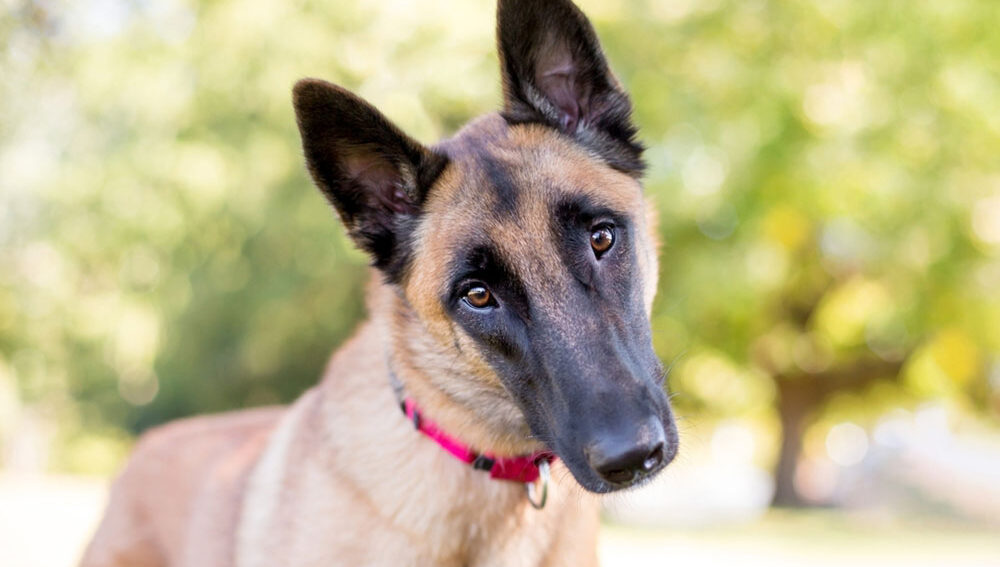
Watching your pet suddenly tilt their head, stumble across the room, fall over, or seem unable to tell which way is up can be frightening. These signs often point to a problem with the vestibular system, the network involving the inner ear and brain that helps control balance and spatial orientation. When something disrupts it, dogs and cats may circle, lean or fall to one side, develop rapid flicking eye movements called nystagmus, or become so dizzy that they vomit or refuse to move. The cause may be something relatively treatable, such as a middle or inner ear infection, but similar signs can occur with vestibular disease, certain toxins, strokes, brain tumors, and other neurological or metabolic conditions. Because very different problems can look remarkably similar at home, a sudden loss of balance deserves veterinary attention rather than waiting to see whether it passes.
At Harbor Pines Veterinary Center, we know how upsetting it can be to see a pet who suddenly cannot trust their own balance. We start with a thorough exam, looking closely at the ears, eye movements, reflexes, posture, and coordination, and add bloodwork or imaging when it can help us understand what is going on. From there, we will talk through what we find and work with you on a plan to address the cause, ease dizziness or nausea, and help your pet feel safe and comfortable again. We also offer exams in your home for pets who may be more comfortable being assessed there. If your pet suddenly develops a head tilt, starts stumbling or falling, or cannot maintain their balance, give us a call. We can help you figure out what they need and the best way forward together.
The Quick Read on Balance Trouble
- A sudden head tilt, circling, or drunken walk usually points to the vestibular system, the balance network that runs from the inner ear to the brain.
- Peripheral causes in the inner ear, including infections and idiopathic vestibular disease, generally carry a better outlook than central causes involving the brainstem or cerebellum.
- Ear infections, thyroid disease, liver problems, a missing vitamin, and even a prescribed medication can all produce the same wobbly picture, so the workup matters more than the guess.
- Home safety matters while a dizzy pet recovers, and any pet who can’t stand, refuses food and water, or keeps sliding backward needs to be seen right away.
What Is the Vestibular System, and Why Do Problems With It Look So Scary?
The vestibular system is your pet’s balance center, and when it misfires the world spins. Your pet tilts, staggers, falls toward one side, and their eyes may flick rapidly back and forth. Where the trouble sits, inner ear or brain, changes almost everything about what comes next.
| What we check | Peripheral (inner ear) | Central (brainstem or cerebellum) |
| Head tilt | Usually toward the affected side | Can go either direction |
| Eye movement | Side to side or rotary, in a steady pattern | May flick vertically or switch direction |
| Strength | Wobbly but strong, no knuckling | Weakness on one side, paws that knuckle under |
| Mental state | Alert, aware, often still hungry | May be dull, disoriented, or seizing |
| Outlook | Often good with treatment or time | More guarded, needs advanced imaging |
Vestibular disease in dogs shows up most often in seniors as a head tilt that appears overnight, a stumbling walk, and eyes flicking side to side, and many of these dogs are noticeably steadier within about 72 hours. Vestibular syndrome in cats turns up less often but looks much the same at home, with the head tilted toward the affected side and a cat who is still alert and aware of you.
Sorting peripheral from central is the whole job of the neurological exam we run at the visit, because the answer shapes the workup and what we can honestly tell you to expect.
Can an Ear Infection Really Make My Pet’s Head Tilt?
Ear infections are one of the most fixable causes on this list. An infection in the outer ear canal is itchy and painful but usually leaves balance alone, while otitis media and interna sits right against the balance apparatus and can produce head tilt, circling, and facial drooping on the affected side.
The early tells are small. A dog who yelps mid-yawn, shakes their head, paws at one side, or leaves a smear on the couch cushion may have had trouble brewing for weeks before the tilt showed up. Allergies are the biggest driver in dogs, since inflamed skin runs right down into the canal, and narrow or heavily furred canals hold moisture. In cats, especially younger ones, a benign growth called a nasopharyngeal polyp can push into the middle ear and cause a tilt with no infection at all.
Getting the answer starts with a look down the canal and a slide under the microscope, and our ear exams and in-house lab work show us whether bacteria, yeast, or a mix is behind it. X-rays help when we suspect the problem has moved behind the eardrum, and deeper infections need weeks of antibiotics rather than days, plus anti-inflammatory medication and a recheck before we call it resolved.
What if the Problem Is in the Brain and Not the Ear?
When vestibular signs come from the brain itself rather than the inner ear, we call it central disease. It’s less common than an ear cause, but the list of culprits shifts toward tumors, strokes, and inflammation.
Can a Brain Tumor Cause a Head Tilt?
Tumors show up most often in older pets, and meningiomas lead the list in both dogs and cats. Signs that reach past the inner ear, such as seizures, behavior changes, weakness on one side, or a paw that knuckles under and stays there, raise the possibility of brain tumors in the brainstem or cerebellum, which take MRI or CT imaging to confirm. We don’t have that imaging here, so those pets go to a veterinary neurologist and we coordinate the referral and the follow-up. What comes after depends on the type and location: surgery, radiation, medication to control swelling and seizures, or a comfort-focused plan when treatment isn’t right for your pet.
What Does a Stroke Look Like in a Dog or Cat?
Strokes in pets happen without warning when blood flow to part of the brain is blocked or a vessel bleeds, and kidney disease, high blood pressure, and clotting disorders all push the risk higher. One minute the dog is fine, the next they’re leaning hard into the wall with darting eyes. Recovery is unpredictable: some pets improve over days, others take weeks, and a few keep a permanent tilt while feeling perfectly well otherwise. Because the event is over by the time you reach us, our attention goes to why it happened, which means blood and urine testing, a blood pressure reading, and a search for the disease underneath. If your pet suddenly can’t walk a straight line, come in quickly rather than waiting overnight.
What Whole-Body Problems Can Make a Pet Dizzy?
Balance depends on more than ears and brain tissue. Hormone imbalances, a liver that isn’t filtering properly, a missing vitamin, or a medication your pet is already taking can each disturb the nervous system enough to cause a tilt, circling, or a drunken walk. That’s a large part of why the first workup includes bloodwork.
- Thyroid disease: Hypothyroidism slows the whole metabolism down and brings weight gain, low energy, a dull coat, and recurring ear trouble. In some dogs it disturbs nerve function enough to affect balance or the facial nerves, and daily hormone replacement turns things around over a few weeks.
- Liver trouble: Portosystemic shunts are abnormal vessels that carry blood around the liver instead of through it, so toxins reach the brain and show up as circling, head pressing, disorientation, and an unsteady walk. Diet changes and medication come first, and closing the vessel surgically is a referral procedure we arrange for you.
- Inflammation: Fever, neck pain, seizures, and a pet who seems dull or disconnected alongside the balance loss point toward meningitis and encephalitis. Confirming it usually takes spinal fluid analysis at a referral hospital, and treatment splits between antimicrobials and immunosuppressive therapy.
- A missing vitamin: Thiamine deficiency can bring on vestibular signs, seizures, and a dazed, disconnected pet within days, most often in animals eating diets heavy in raw fish or vomiting long enough to stop absorbing what they eat. Caught early, supplementation works remarkably fast.
- A prescription: Metronidazole toxicity is the clearest medication-related example, producing head tilt, wobbling, and abnormal eye movements at high doses or after weeks on the drug. If a new neurological sign appears while your pet is on any medication, call us before you stop it on your own.
Could an Injury or Something Stuck in the Ear Explain This?
Two mechanical causes are worth ruling out early. A blow to the head or a plant awn burrowing into the ear canal usually comes with a story attached, such as a fall, a car, or an afternoon in tall dry grass.
Head trauma can bruise the brain and let it swell, and the first hours go to steadying blood pressure, supporting oxygen delivery, and watching for any slide backward. Skull fractures and bleeding inside the skull are part of what we look for, and how well a pet recovers tracks closely with how severe that first injury was. Call us right away, and if we’re closed, go straight to the nearest veterinary emergency hospital.
Foxtails travel down an ear canal barb-first and can’t back out on their own, which is why a dog who was fine an hour ago is suddenly shaking his head, pawing at one ear, and holding it tilted. Our corner of Southern California is foxtail country, and the dry grass season runs long here. The awn has to come out, usually under sedation, followed by a flush and medication if the canal is already angry. Never dig for one at home with a cotton swab or tweezers, since that drives it deeper and can damage the eardrum. Check ears, armpits, and toes after every walk in dry grass, and if something is in there, bring them in promptly.
How Do We Figure Out What’s Behind the Head Tilt?
The exam does most of the heavy lifting. We work through cranial nerves, reflexes, gait, and eye movements to place the problem in the inner ear or the brain. Paw placement is one of the most telling findings we have, because when a paw gets turned under and simply stays there, we’re thinking brain, not ear.
Bring the small details, because they narrow the list fast: when the signs started, a recent illness, a new medication or a leftover bottle from an old prescription, and whether your pet could have reached something toxic in the garage. If poisoning is possible, call the Pet Poison Helpline or ASPCA Animal Poison Control on your way in.
Our veterinarians work in order, starting with an ear exam and cytology since ears are both common and treatable, then blood and urine testing, then X-rays when they’ll add something. If the picture points to a brain cause, MRI or CT is the next step.
What Does Treatment Look Like Once We Know the Cause?
Treatment runs in two directions at once. One settles the dizziness and nausea so your pet can eat, drink, and rest, and that part usually starts right away. The other treats whatever set it off, which depends on the diagnosis and on a conversation with you once results are in.
| Cause | What treatment usually involves |
| Idiopathic vestibular disease | Anti-nausea medication, fluids if needed, and time, with most dogs steadying over one to three weeks |
| Middle or inner ear infection | Weeks of antibiotics, anti-inflammatories, and a recheck before stopping |
| Nasopharyngeal polyp | Surgical removal, most often in cats, with a good outlook afterward |
| Hypothyroidism | Daily thyroid hormone with periodic blood monitoring |
| Liver shunt or hepatic encephalopathy | Diet change and medication first, surgical correction by referral in some cases |
| Brain inflammation | Antimicrobials or immunosuppressive medication, guided by testing |
| Thiamine deficiency | Supplementation plus a switch to a complete, balanced diet |
| Medication reaction | Stopping the drug under our guidance, with gradual improvement |
| Stroke or brain tumor | Supportive care, treating the disease underneath, and neurology input by referral |
Surgery resolves a few of these outright: a polyp removed, a foreign body retrieved, or an ear canal that chronic disease has scarred shut. We handle soft tissue surgery here and send the more involved procedures to a surgical specialist. When the kindest plan is comfort rather than a cure, we’ll talk that through as well, including in-home euthanasia, so a hard day doesn’t have to include a car ride.
How Do I Keep My Pet Safe at Home While They Recover?
A dizzy pet needs a smaller, softer world for a few days. The goal is to prevent falls, make eating and drinking easy, and give the balance system time to recalibrate.
- Contain the space: Block the stairs, close off slick floors, and pad furniture legs and sharp corners with towels or a rolled blanket.
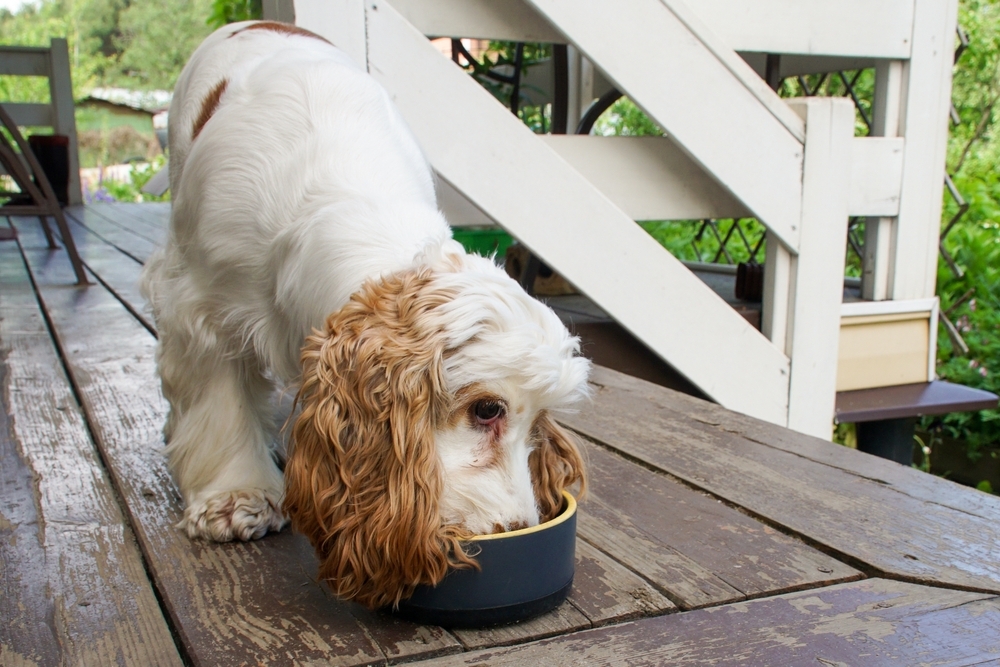
- Bring the bowls to them: Raising food and water slightly spares a wobbly pet from lowering their head, which often makes the spinning worse.
- Support the big dogs: A towel sling under the belly or a harness with a handle turns a risky trip to the yard into a manageable one.
- Keep a short daily note: Track the tilt, appetite, steadiness, and any vomiting, since a trend across three or four days tells us far more than one snapshot.
- Skip the home remedies: Don’t reach for leftover ear medication, human motion-sickness pills, or any human pain reliever, and never flush an ear when nobody knows whether the eardrum is intact.
Reach us if your pet stops eating or drinking, can’t stand at all, seems to be losing ground, or develops something new like a seizure. For pets who find the car miserable, in-home exams can be a gentler way to get a recheck done.
Questions We Hear When a Pet Suddenly Loses Their Balance
Is my dog having a stroke, or is this old dog vestibular disease?
Idiopathic vestibular disease is far more common in senior dogs than a true stroke, and the two look nearly identical in your living room. Idiopathic cases tend to bring a head tilt, stumbling, and darting eyes in a dog who is otherwise bright and hungry, while a vascular event more often adds weakness, confusion, or a change in awareness. The exam separates them, so let us look rather than guessing from the couch.
Will my pet’s head tilt ever go away?
Many pets lose the tilt entirely as the balance system recalibrates, usually across two to six weeks. Some keep a slight, permanent lean, particularly after a severe inner ear infection or a stroke, and those pets almost always get around fine and feel like themselves. A tilt that has stopped changing is a leftover rather than an ongoing problem, but a tilt that worsens after a stretch of improvement is worth a phone call.
My cat is tilting her head but her ears look clean. Doesn’t that rule out an ear problem?
A clean-looking canal rules out very little, because middle and inner ear disease sits behind the eardrum where nothing drains outward. Cats in particular can carry a polyp or a deep infection with a canal that looks perfectly normal from the outside, which is why we examine the eardrum itself and often add skull X-rays rather than stopping at the part of the ear you can see.
Getting Your Pet Back on Steady Ground
A sudden loss of balance is one of the more frightening things to walk in on, and it lands across a wide range: a dizzy spell an older dog shakes off in a week, an ear infection that needs a few weeks of treatment, or something that needs a neurologist. Waiting it out is the one approach that doesn’t help, because the causes that need fast action look almost exactly like the ones that don’t.
Our AAHA-accredited team at Harbor Pines Veterinary Center in Harbor City will examine your pet, tell you in plain language what we’re seeing, and help you decide what comes next. If your pet is tilting, circling, or falling, reach out and let’s take a look together.