
A tick bite can absolutely set off an autoimmune blood disease in a dog or cat, and it happens more often than most families realize. Certain tick-borne infections push the immune system into attacking the body’s own blood cells: when it destroys red cells, the condition is IMHA, or immune-mediated hemolytic anemia, and when it destroys the platelets that control bleeding, it is ITP, immune-mediated thrombocytopenia. Other tick diseases don’t trigger the immune attack, but cause nearly identical symptoms through direct destruction of the red cells or platelets. Pale gums, sudden tiredness, dark urine, or pinpoint bruises are the signs that bring most families in, and a tick bite weeks or months earlier is often the piece nobody connects.
That connection is exactly why a thorough workup at Harbor Pines Veterinary Center in Harbor City screens for tick-borne infection rather than assuming the immune system misfired on its own. Our in-house laboratory gives us the complete blood count and chemistry results during your visit, so we know how far a blood problem has gone while we sort out what set it off. If you have noticed pale gums, bruising, or unexplained fatigue in your pet, give us a call so we can get them checked.
Ticks and Blood Disease: What to Know
- Tick-borne infections are among the most common triggers behind secondary IMHA and ITP, the diseases in which a pet’s immune system destroys their own red blood cells or clotting platelets.
- Some tick diseases also mimic these conditions closely enough that skipping infection screening sets a pet up for relapse once the immune-suppressing medication is tapered.
- Pale or yellow-tinged gums, sudden tiredness, dark urine, or pinpoint bruises are the signs worth acting on early, when treatment tends to work best.
- Year-round tick prevention is the one part of this whole picture you can control, and even a short gap in coverage leaves a window open.
How Can a Tick-Borne Infection Set Off an Autoimmune Attack?
A tick-borne organism gets into the bloodstream and coats or invades blood cells, and the immune system, going after the invader, ends up destroying the cell it is riding on. Once that response is running, it can keep going even after the original infection is treated, which is how a bite from months ago turns into a blood crisis today.
That delay is what makes the connection so easy to miss. Most families never saw a tick, or pulled one off so long ago that it never comes up. Each of the common culprits leaves its own mark:
- Babesia: invades red blood cells directly and produces a picture nearly identical to primary IMHA, turns up more often in Pit Bulls and Greyhounds, and can pass from dog to dog through a bite wound rather than a tick at all.
- Ehrlichia and Anaplasma: both drive platelet counts down and are frequent findings behind secondary ITP.
- Rocky Mountain spotted fever: inflames blood vessels throughout the body, causing bleeding and low platelets together.
- Lyme disease: adds its own strain and can complicate the picture when it shows up alongside another infection.
With tick activity happening nearly year-round around Harbor City, exposure isn’t just a summer worry, and a pet who never leaves the neighborhood is not automatically in the clear.
What Makes a Pet’s Immune System Attack Their Own Blood?
Immune-mediated diseases begin when the immune system, which normally hunts down bacteria and viruses, mistakenly tags the body’s own red blood cells or platelets for destruction.
Veterinarians sort these cases into two groups, and the difference drives the whole treatment plan. Primary (also called idiopathic) disease has no identifiable cause, so the goal is to suppress the overactive immune response directly. Secondary disease is set off by something else, and tick-borne infection sits near the top of that list alongside other infections, cancer, toxins, and certain drugs. Controlling that driver matters as much as calming the immune system. Miss the trigger, and the illness keeps circling back weeks after a pet seemed to recover.
| Condition | What the immune system attacks | Hallmark signs | Biggest danger |
| IMHA | Red blood cells | Pale or yellow gums, fatigue, dark urine | Oxygen starvation and abnormal clots |
| ITP | Platelets (clotting cells) | Bruising, pinpoint spots, nosebleeds | Bleeding that won’t stop |
| Evans syndrome | Both at the same time | A mix of the above | Two crises to manage at once |
What Is IMHA, and Why Can It Turn Serious So Fast?
Immune-mediated hemolytic anemia sets in when red blood cells are destroyed faster than the body can rebuild them, and as those cells vanish the organs are starved of oxygen. The heart and lungs work overtime to move what little oxygen is left, which is why a pet who seems a little tired on Monday can be fighting for their life by the weekend.
What Are the Earliest Signs of IMHA?
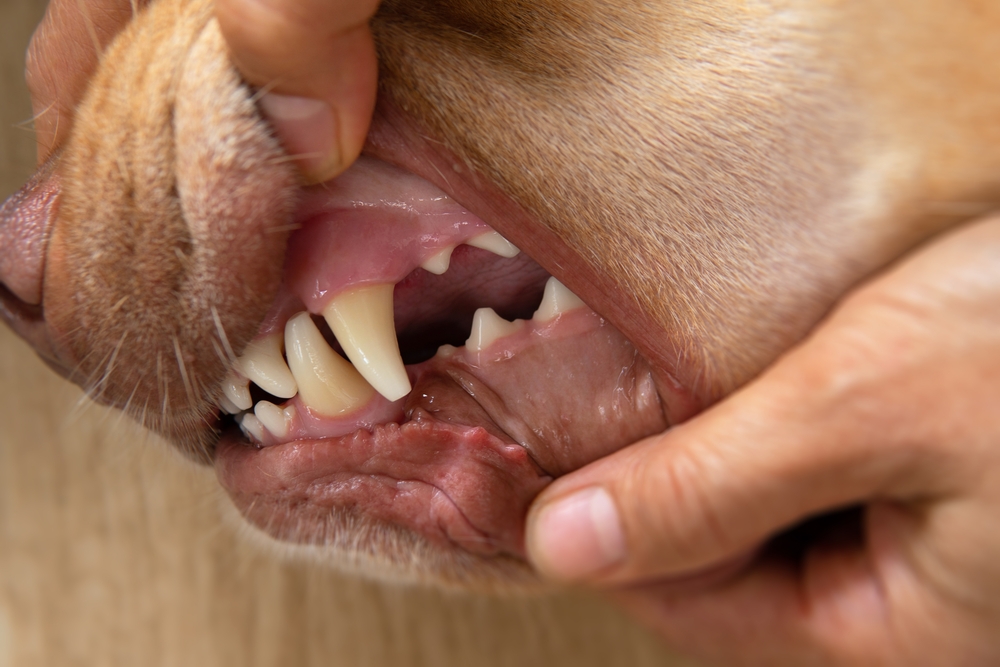
The first hints are easy to brush off: a dog who tires on a walk they used to love, or a cat sleeping even more than usual. Lift your pet’s lip and look, because gums that look white, gray, or yellow instead of pink are one of the clearest signs at home that red blood cells are under attack. Some breeds develop IMHA more often than others, Cocker Spaniels among them, so those families have extra reason to watch closely.
Beyond the gums, watch for:
- Unusual fatigue: getting winded or wobbly after light activity.
- Faster resting breathing: the body trying to move more oxygen with fewer red cells.
- Dark or orange-tinged urine: a sign of red cells breaking down.
- A yellow tinge to the eyes or skin: jaundice from that same breakdown.
- Loss of appetite: often one of the quiet early changes.
What Sets Off Secondary IMHA Besides Ticks?
Ticks are the most common driver we look for, and they aren’t the only one. Leptospirosis, which pets pick up from water and soil contaminated by wildlife urine, is another infection that can push the immune system to turn on its own blood cells. The rest fall into a few groups:
- Other infections: hemotropic mycoplasma in cats and certain viruses can spark the same reaction.
- Cancers: lymphoma and hemangiosarcoma are among the tumors that turn up behind secondary cases.
- Toxins and drugs: zinc from a swallowed coin, some medications, and snake or insect envenomation can all trigger red cell destruction.
Why Is IMHA More Dangerous Than Anemia Alone?
The anemia is only half the threat. Even while red blood cells are being destroyed, the clotting system swings the other way and throws abnormal blood clots that can lodge in the lungs and rank among the leading causes of death in these patients. That’s a big reason these pets are usually hospitalized for close monitoring rather than watched at home.
Signs a clot may be forming include:
- Sudden trouble breathing or fast, heavy breathing while resting.
- A leg that goes weak, cold, or painful out of nowhere.
- Collapse or a sudden crash in energy.
Any of these in a pet already diagnosed with, or being watched for, a blood disease is an emergency, so call us right away or head directly to an overnight ER.
What Is ITP, and How Is It Different From IMHA?
Immune-mediated thrombocytopenia destroys the platelets that let blood clot, so bleeding can begin with no injury at all and turn serious inside the body before anything shows on the outside. Where IMHA starves the organs of oxygen, ITP takes away the body’s ability to stop a bleed once one starts.
What Does ITP Look Like at Home?
Because platelets are what plug the tiny leaks that happen all day long, the signs of ITP are all about bleeding that won’t quit. Look for unexplained bruising on the belly or gums, petechiae (pinpoint red or purple spots on the skin), nosebleeds with no injury behind them, blood in the urine or stool, and small wounds that keep oozing far longer than they should.
What Triggers ITP?
Like IMHA, ITP is often secondary, and tick-borne disease leads the list, with Ehrlichia and Anaplasma turning up especially often. Heartworm disease is another parasite-driven example. It takes a single mosquito bite to transmit, and in addition to the heart and lung damage that occurs, it can cause the body to mistakenly make antibodies against its own platelets. The remaining triggers sort into a few groups:
- Other infections: canine distemper and leptospirosis can each set the immune system off.
- Medications and cancers: certain drugs and some tumors provoke the same platelet-destroying misfire.
- Recent vaccination: rarely, ITP follows a vaccine, though the protection vaccines provide far outweighs that small risk.
What Is Evans Syndrome in Dogs and Cats?
When the immune system goes after red blood cells and platelets at the same time, the result is Evans syndrome, and both attacks have to be controlled at once. It is uncommon, and it is the most demanding version to manage, because a pet is short on oxygen and short on the ability to stop a bleed at the same moment.
The signs blend together, which is part of what makes it hard to spot early. Pale gums and fatigue from the anemia show up alongside the bruising and pinpoint spots of platelet loss, and a pet can look mildly off in several directions rather than clearly sick in one.
Treatment turns into a balancing act of frequent rechecks and medication changes, and our veterinarians adjust doses as the counts move so one problem doesn’t get worse while the other improves.
How Do We Diagnose Immune-Mediated Blood Diseases?
Diagnosis starts with your pet’s story and a hands-on exam, then moves quickly to blood testing. In-house bloodwork tells us during that same visit whether red cells or platelets are dropping and how fast, so treatment doesn’t wait on a reference lab. The rest of the workup fills in the picture:
- CBC and blood smear: counts the cells and looks at their shape under the microscope, and can sometimes reveal the organism itself inside a red cell.
- Reticulocyte count: shows whether the bone marrow is trying to replace lost red cells.
- Coombs test: looks for antibodies stuck to red blood cells, often run at a reference lab.
- Chemistry panel: checks how the organs are holding up under the stress.
- Tick-borne disease screening: antibody tests and PCR that rule an infectious driver in or out, which is why any history of ticks, travel, or time in tall grass is worth mentioning even if it was months ago.
- Cancer and toxin checks: chest and belly X-rays can reveal a hidden tumor or a swallowed metal object when the history points that way.
How Are IMHA and ITP Treated?
Treatment runs on two tracks at once: shut down the immune attack, and support the body while blood counts climb back. When a tick-borne infection is confirmed, a third track opens up, and treating that infection is what keeps the disease from returning once immune-suppressing medication is tapered.
What Does IMHA Treatment Involve?
The backbone of IMHA treatment is immunosuppression, usually corticosteroids like prednisone to call off the attack. The full toolkit includes:
- Immunosuppression: steroids first, sometimes paired with a second immune-suppressing drug.
- Anti-clotting medication: for patients at high risk of clots.
- Transfusions: when the red cell count crashes, blood transfusions buy critical time while immunosuppressive medication shuts the destruction down.
- Therapeutic plasma exchange: a blood-filtering treatment for severe or drug-resistant cases, available at specialty hospitals we can refer to.
- Targeted antimicrobials: doxycycline or a similar medication when a tick-borne infection is confirmed as the underlying trigger.
What Does ITP Treatment Involve?
ITP leans on a similar first move, and the options build from there:
- Corticosteroids: the first-line therapy to halt platelet destruction.
- Vincristine: nudges the bone marrow to release more platelets into circulation.
- Intravenous immunoglobulin (IVIG): reserved for critically low counts that need a fast response.
- Splenectomy: removing the spleen, where many platelets are destroyed, is a later-stage surgical option for cases that don’t respond to medication.
Many of the treatments for IMHA and ITP can be handled in our Harbor City hospital. More specialized treatments for difficult or severe cases may require referral to an internal medicine specialist, and we’ll let you know where to go and what to expect if that’s the case.
Can Year-Round Tick Prevention Lower the Risk?
You can’t prevent a primary immune disease, but you can shrink the single biggest risk behind the secondary ones. Year-round tick prevention lowers the odds of a tick-triggered blood disorder, and even a short gap in coverage leaves a window open.
Prescription flea and tick products are far more reliable than most over-the-counter choices. Checking your pet after time outdoors helps too, since most tick diseases take hours of attachment to transmit, which means a tick found and removed the same day is far less likely to cause trouble.
Which Warning Signs Mean My Pet Needs to Be Seen Right Away?
A few signs mean don’t wait. Sudden weakness, collapse, or labored breathing at rest needs emergency care. Pale or yellow gums, fresh bruising, and dark urine belong on the same-day list.
| Warning sign | What it may mean | What to do |
| Pale or yellow gums | Red cells being destroyed (IMHA) | Come in the same day |
| Bruising or pinpoint spots | Platelets failing (ITP) | Come in the same day |
| Dark or blood-tinged urine | Red cell breakdown or bleeding | Come in the same day |
| Labored breathing at rest | Low oxygen or a lung clot | Treat as an emergency |
| Collapse or sudden weakness | Severe anemia or a clot | Treat as an emergency |
Call us before you head over so we’re ready when you arrive, and for collapse or breathing trouble outside our hours, go straight to the nearest emergency hospital.
Blood Disorder Questions Pet Families Ask Us Most
My pet never had a tick that I saw. Could it still be tick-related?
Yes, and that’s common. Ticks in the nymph stage are about the size of a poppy seed and are easy to miss in a thick coat, and many attach in spots families rarely check. Add in that signs can appear weeks or months after the bite, and plenty of pets with tick-triggered blood disease have no known tick history at all. That’s exactly why we screen rather than rely on what you remember.
Can dogs and cats recover from IMHA or ITP?
Many do, especially when treatment starts early. With the immune attack suppressed and the underlying trigger addressed, a lot of pets go on to live full lives. Recovery is rarely a straight line, though. Relapses can happen, and regular recheck bloodwork is how we catch a backslide before it becomes a crisis.
How long does treatment usually last?
These aren’t quick, one-week courses. Immunosuppressive medications are typically given for several months and then tapered gradually while we watch the blood counts hold steady. Stopping early, even when your pet looks completely normal, is one of the most common reasons a disease comes roaring back. The exact timeline is individual, set by how each patient responds rather than a fixed calendar.
Are these diseases contagious to my other pets or my family?
The autoimmune disease itself isn’t contagious. What can spread are some of the triggers behind a secondary case. Babesia can pass between dogs through bite wounds, and leptospirosis can move from an infected animal’s urine to other pets and even to people. It’s also worth knowing that if your pet was exposed to a tick-borne disease, you are also at risk of exposure if a tick from that same population also bites you. That’s one more reason we screen for infectious drivers, since protecting the patient sometimes means protecting the whole household too.
Fast Answers When Something Seems Off
A blood disease moves fast, and going from a normal week to a critically ill pet is a lot to absorb. With prompt testing, the right treatment, and attention to any tick-borne infection underneath, many pets recover fully. Steady year-round prevention is the best insurance against ever having this conversation.
If pale gums, new bruising, or sudden tiredness have you worried, book a visit with the Harbor Pines team here in Harbor City and we’ll start with the bloodwork that shows what’s actually happening.