0
What Should I Do If My Cat Cannot Urinate?
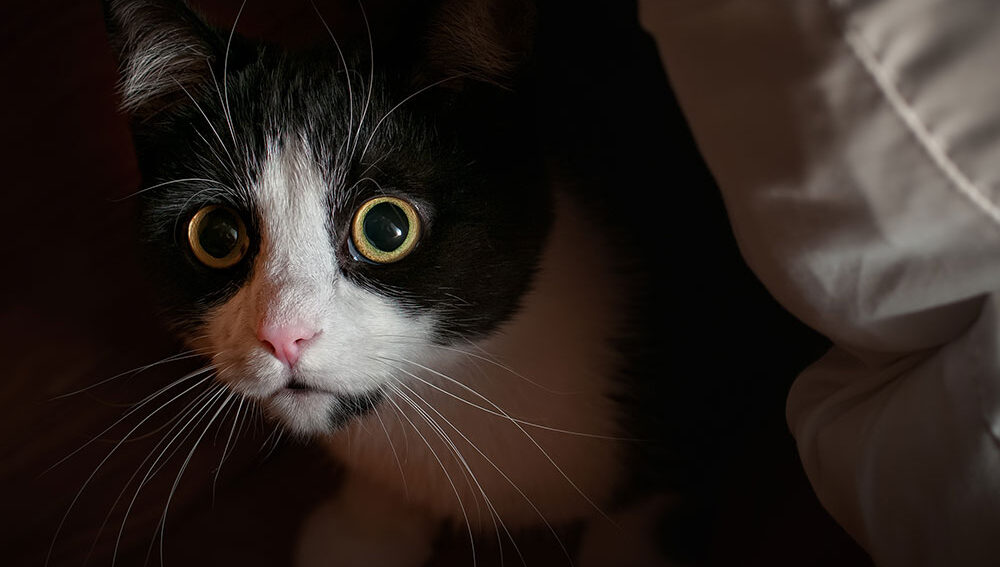
It is late at night, and you hear your cat crying in the litter box. They crouch, strain, but nothing comes out. A few minutes later, they return, still uncomfortable, still trying, still unable to urinate. For many cat families, this moment is terrifying, and for good reason. A urinary blockage is one of the most dangerous emergencies cats can face, especially male cats, and it can turn fatal in as little as a day without treatment.
At Harbor Pines Veterinary Center in San Pedro, California, we want you to feel prepared to recognize the early signs, understand what causes blockages, and know how timely veterinary care can save your cat’s life. Our team is set up for the rapid in-house diagnostics and supportive care these cases need, and we accommodate urgent appointments during business hours. If your cat is showing any signs of straining or unproductive litter box trips, request an appointment immediately.
Key Takeaways
- A urinary blockage in a cat is a life-threatening emergency that can become fatal within 24 to 48 hours, so any straining, unproductive litter box trips, or crying in the litter box warrants immediate veterinary care.
- Male cats are at far higher risk than females because their urethra is longer and narrower, making it easier for crystals, mucus plugs, or stones to cause obstruction.
- Treatment combines stabilization with IV fluids, pain management, urethral catheterization, and bladder flushing, with hospitalization typically lasting 2 to 4 days.
- Prevention focuses on hydration, prescription urinary diets when indicated, stress reduction, and thoughtful litter box setup, with biannual wellness exams catching changes before they progress.
What Is a Feline Urinary Blockage?
A urinary blockage, or urethral obstruction, is a physical blockage of the urethra (the tube carrying urine from the bladder to the outside) by crystals, small stones, mucus plugs, inflammatory debris, or muscle spasm. Urine cannot pass, the bladder distends, and toxins that should be excreted accumulate in the bloodstream. Without intervention, the condition progresses rapidly to kidney injury, dangerous electrolyte imbalances, and death.
Male cats are at substantially higher risk than females because the male feline urethra is longer, narrower, and curves more sharply near the tip, all of which make obstruction far easier. Female cats can develop urinary disease (sometimes called feline lower urinary tract disease, or FLUTD), but full obstruction is uncommon in females because their urethra is shorter and wider.
The most serious complications develop quickly:
- Acute kidney injury as urine backs up and damages kidney tissue
- Hyperkalemia (dangerously elevated potassium) that can disrupt heart rhythm
- Bladder rupture in advanced or untreated cases
- Cardiac arrest from electrolyte derangements
- Severe pain that compounds the patient’s overall instability
This is why “let us see if it resolves” is never the right approach. A blocked cat needs same-day evaluation and treatment.
What Causes Urinary Blockages in Cats?
Blockages are rarely caused by a single factor, and are the result of Feline Lower Urinary Tract Disease, or FLUTD. They are usually the result of multiple influences acting together: stress-driven inflammation, mineral imbalances that produce crystals, mucus plugs that form from inflammatory debris, and occasionally bacterial infection. Understanding which factors are at play in your individual cat shapes both immediate treatment and long-term prevention.
Crystal Formation and Bladder Stones
When urine becomes concentrated or imbalanced in pH, struvite or calcium oxalate crystals can form within the bladder. These crystals may clump into urinary stones that obstruct the urethra, or pass as gritty material that mixes with mucus to form plugs.
Diet has a major influence on urine pH and mineral concentration. Cats eating predominantly dry food are at higher risk because they consume less total water, producing more concentrated urine. Prescription urinary diets are formulated to maintain optimal urine pH and reduce the dietary minerals that contribute to crystal formation, and they can also help dissolve existing struvite crystals.
Idiopathic Cystitis and Mucus Plugs
Stress-related inflammation of the bladder wall, known as feline idiopathic cystitis, is the most common single cause of urinary signs in cats and a leading driver of urethral plugs. The inflammation produces mucus, blood, and inflammatory cells that can mix with crystals to form soft plugs blocking the urethra. Muscle spasm in the inflamed urethra adds another layer to the obstruction.
Stress is a major trigger. Common stressors include moving to a new home, a new pet or baby in the household, changes in routine, multi-cat household tensions, construction or noise, and even subtle changes the family might not notice. Enrichment, environmental stability, vertical spaces, and consistent routines all help reduce recurrence.
Bacterial Urinary Tract Infection
Urinary tract infections are actually less common in cats than in dogs or humans, particularly in young to middle-aged cats. When they occur, they tend to involve older cats, cats with underlying conditions like diabetes or chronic kidney disease, or cats with predisposing anatomy. Bacterial infection can contribute to inflammation and debris that adds to obstruction risk.
Culture and sensitivity testing identifies the specific bacteria and the antibiotics that will work, which matters because empirical antibiotic use without testing can miss resistant infections and miss the underlying cause entirely.
What Are the Early Warning Signs of a Blocked Cat?
Cats hide pain extremely well, which makes spotting a developing urinary obstruction more difficult. The signs often appear subtly before progressing quickly to obvious distress. Frequent litter box trips with little or no urine production, straining, and behavior changes are the earliest reliable signals that something is wrong with the urinary tract.
Watch for the following:
- Frequent but unproductive trips to the litter box
- Straining or crying out while attempting to urinate
- Urinating outside the litter box in a cat who normally uses it reliably
- Restlessness, hiding, or sudden aggression related to discomfort
- Vomiting, drooling, or lethargy as toxins build up
- A firm, swollen abdomen that is painful to touch
- Excessive licking of the genital area
- Refusing food or water
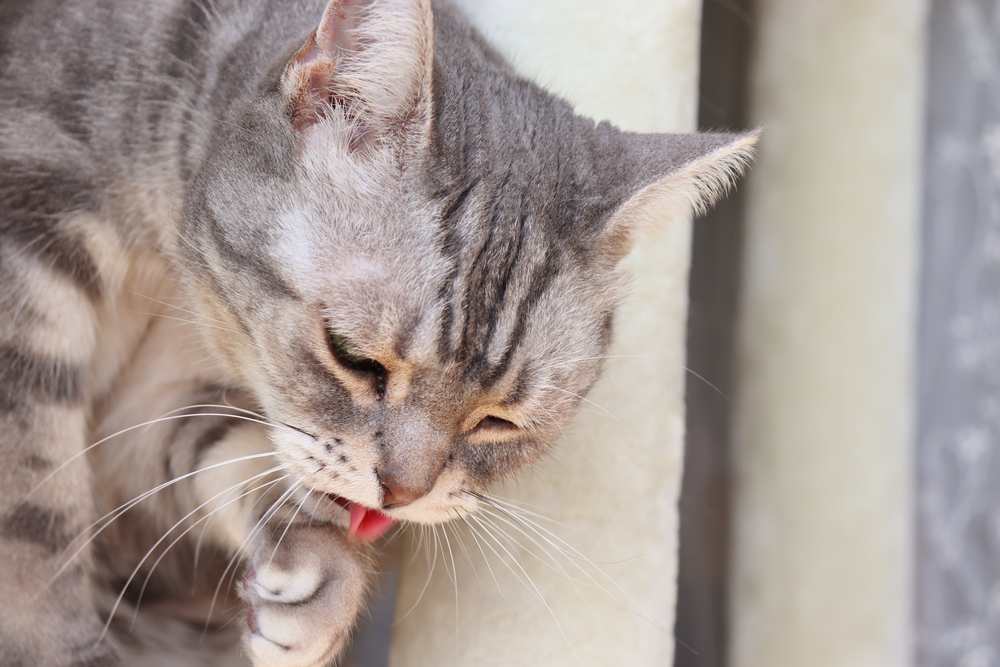
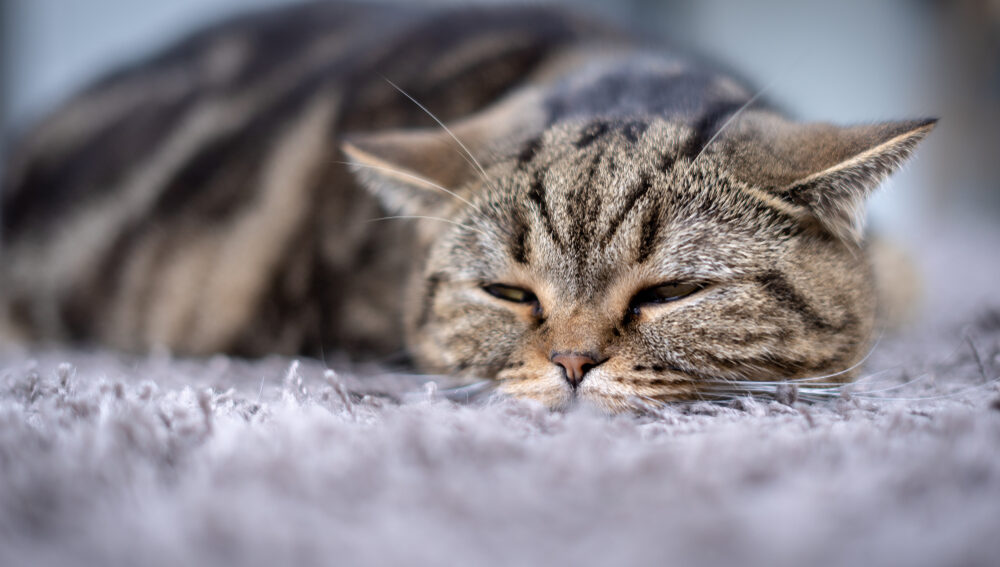
The Feline Grimace Scale can help you identify subtle changes in your cat’s facial expression that point to pain, including ear position, eye squinting, muzzle tension, whisker position, and head carriage. These cues are often more reliable than waiting for obvious distress, especially in cats who naturally hide discomfort.
Any combination of these signs in an adult cat, especially a male, is a same-day veterinary emergency. Cats cannot wait it out, and home remedies have no role.
How Do Veterinarians Diagnose a Urinary Blockage?
Diagnosis moves quickly because every hour matters. After a brief history and physical examination focused on bladder size and overall stability, our diagnostic workup combines same-day in-house bloodwork, urinalysis, and imaging to confirm the obstruction, evaluate kidney function and electrolytes, and identify what is causing it.
The diagnostic workup typically includes:
- Physical exam and vitals: detect a firm, distended bladder and assess overall stability including hydration, heart rate, and pain level
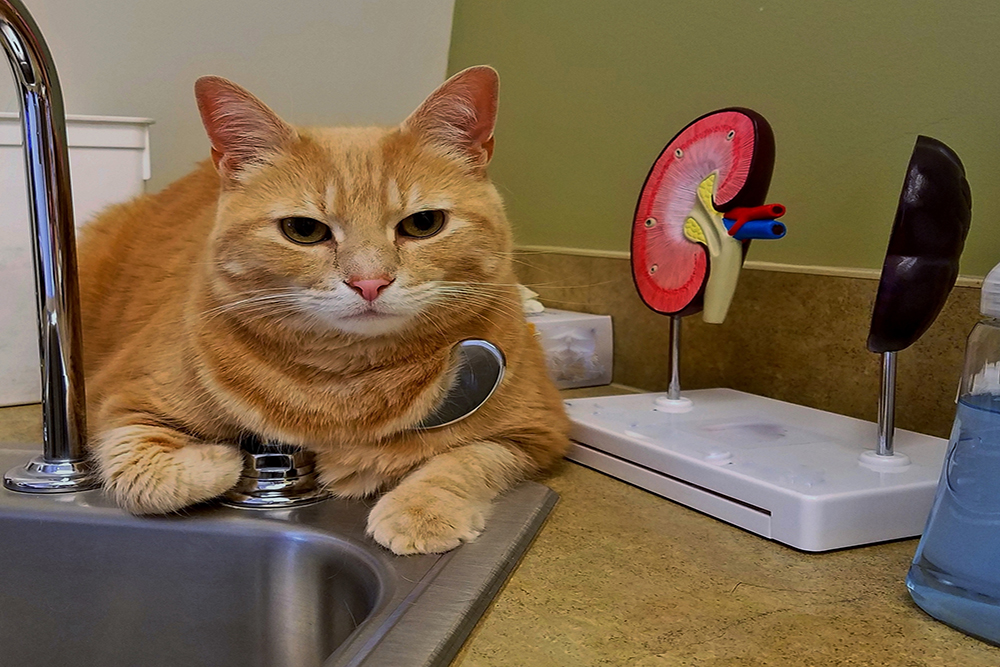
- In-house laboratory testing: rapid bloodwork checks kidney function, electrolytes (particularly potassium), and signs of toxin buildup
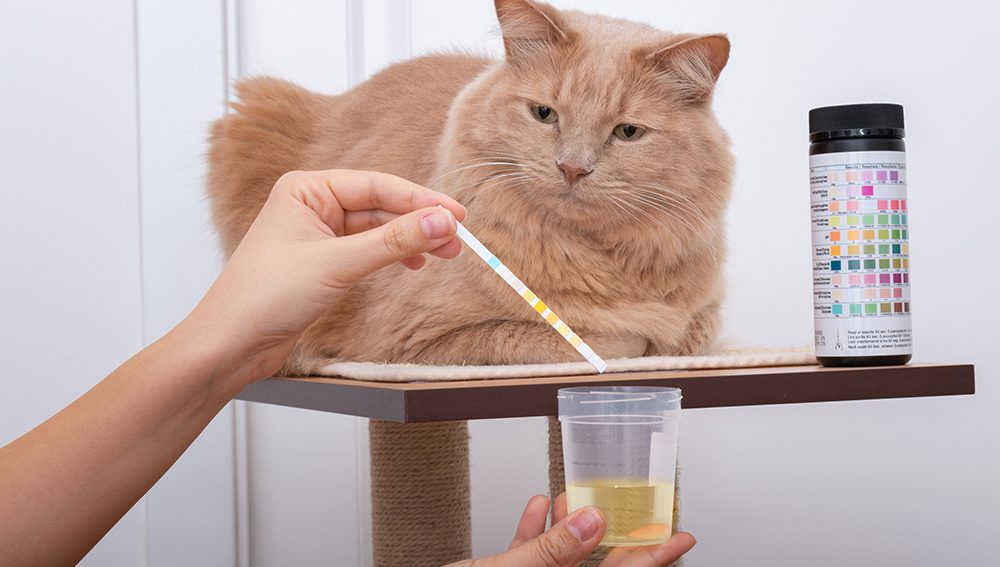
- Urinalysis: measures pH, identifies crystals, looks for inflammatory cells and bacteria, and assesses urine concentration
- Imaging: X-rays identify radiopaque stones in the bladder or urethra, while ultrasound detects bladder wall thickening, hidden debris, or stones that do not show on X-ray
- ECG when needed: assesses heart rhythm in cats with significant electrolyte abnormalities
These tools allow us to confirm the obstruction, assess its severity, and create a safe treatment plan tailored to your individual cat.
How Is a Blocked Cat Treated?
Treatment unfolds in stages: stabilization to address the immediate life-threatening abnormalities, relief of the blockage through urethral catheterization and bladder flushing, and monitoring with supportive care while the urinary tract recovers. The goal is to restore normal urination as safely and comfortably as possible while protecting kidney function and preventing recurrence in the hours and days after the obstruction is relieved.
IV Fluid Therapy and Stabilization
IV fluids are the foundation of stabilization. They correct dehydration, dilute and help flush accumulated toxins, support kidney function, and help correct the electrolyte abnormalities that develop with obstruction. In cats with dangerously elevated potassium, specific medications may be added to the fluids to protect the heart while the obstruction is being relieved. Stabilization typically begins immediately upon arrival and continues throughout the hospitalization.
Pain Management
Urethral obstruction is severely painful, and pain control matters for several reasons: patient comfort, smoother catheter placement, reduced muscle spasm in the urethra, and lower overall stress that helps the body respond to treatment. We tailor pain management to the individual cat using a combination of injectable opioids, anti-inflammatories when kidney function allows, and sometimes laser therapy to reduce bladder inflammation and support recovery.
Urethral Catheterization and Bladder Flushing
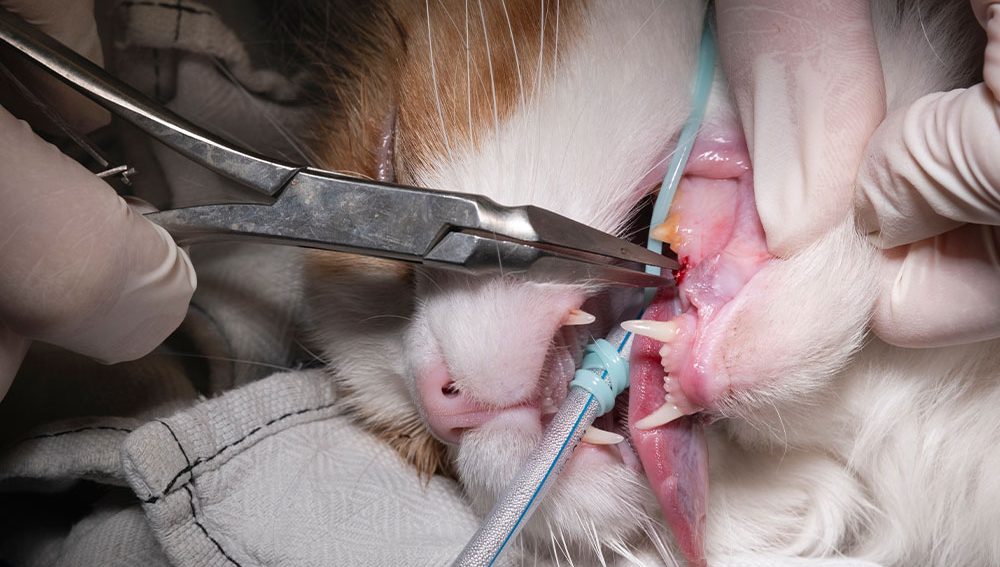
Once the cat is stable enough for sedation or light anesthesia, a sterile urinary catheter is passed through the urethra to relieve the blockage and allow urine to drain. The bladder is then flushed with sterile fluid to clear out debris, crystals, and inflammatory material. The catheter typically stays in place for 24 to 48 hours after the obstruction is relieved, allowing the urethra to recover from inflammation and giving the urinary tract a chance to stabilize before the catheter is removed.
Monitoring and Supportive Care
Hospitalization continues until the patient is reliably urinating on their own and bloodwork has normalized. Monitoring during hospitalization includes urine output measurements, repeat bloodwork to track kidney function and electrolytes, blood pressure, hydration, and pain assessments. Antibiotics are reserved for confirmed bacterial infection rather than used routinely, since most blocked cats do not have a primary bacterial cause.
When Is Perineal Urethrostomy Surgery Recommended?
Cats who block once have a meaningfully elevated risk of blocking again, and cats who block repeatedly despite medical management may benefit from perineal urethrostomy (PU surgery). This procedure removes the narrowest portion of the urethra and creates a wider opening, allowing crystals, plugs, or debris to pass more easily and dramatically reducing the risk of future obstruction.
Candidates for PU surgery typically include:
- Cats with multiple episodes of obstruction
- Cats whose blockage cannot be safely relieved with a catheter
- Cats with urethral damage or scarring from prior obstructions
- Cats with anatomical narrowing that makes recurrence likely
At Harbor Pines, PU surgeries are performed in our advanced surgical center in San Pedro with continuous anesthetic monitoring, advanced anesthesia protocols, and attentive pain control. Recovery involves hospitalization, careful incision care with an Elizabethan collar for 10 to 14 days, and long-term dietary management. PU surgery is not a cure-all, since cats can still develop bladder inflammation or crystal formation, but it removes the anatomical bottleneck and gives most cats lasting relief from the cycle of repeat obstruction.
How Can I Prevent Urinary Blockages in My Cat?
Prevention is built on multiple layers working together: increasing water intake to dilute urine, using prescription diets when indicated, reducing stress, optimizing litter box setup, and catching changes early through regular wellness exams. No single intervention prevents blockage in every cat, but the combination significantly reduces risk for cats with a history of urinary disease and supports overall urinary health in cats without prior episodes.
Hydration
Encouraging water intake is one of the most impactful changes you can make. Cats who drink more water produce more dilute urine, which makes crystal formation far less likely. Practical strategies include:
- Switching to wet food or adding canned food to the diet, since wet food contains roughly 70 to 80 percent water compared to 10 percent in dry food
- Providing multiple water bowls in different locations
- Trying a pet drinking fountain, since many cats prefer moving water
- Using wide, shallow bowls that do not touch sensitive whiskers
- Adding small amounts of low-sodium broth (no onion or garlic) to encourage drinking
- Keeping water bowls separated from food bowls, since cats often prefer them in different locations
Prescription Urinary Diets
Therapeutic urinary diets are formulated to control urine pH and mineral content, dissolving certain crystals and reducing the risk of new ones forming. Different diets target different urinary problems, which is why selection should be based on your cat’s specific situation rather than self-prescribed. Our team monitors progress with periodic urinalysis and rechecks to confirm the diet is working as intended.
Stress Reduction and Environmental Enrichment
Because stress is such a strong driver of feline urinary disease, environmental management is genuinely therapeutic, not just a nice-to-have.
- Vertical spaces (cat trees, shelves, perches) for climbing and observation
- Hiding spots like boxes, tunnels, and covered beds for safe retreat
- DIY enrichment toys and puzzle feeders that engage hunting instincts
- Predictable feeding times and consistent daily routines
- Pheromone diffusers (Feliway) in high-traffic rooms
- Separate resources (food, water, litter) for each cat in multi-cat households
- Minimizing exposure to outdoor cats visible through windows, which can be stressful for indoor cats
Litter Box Setup
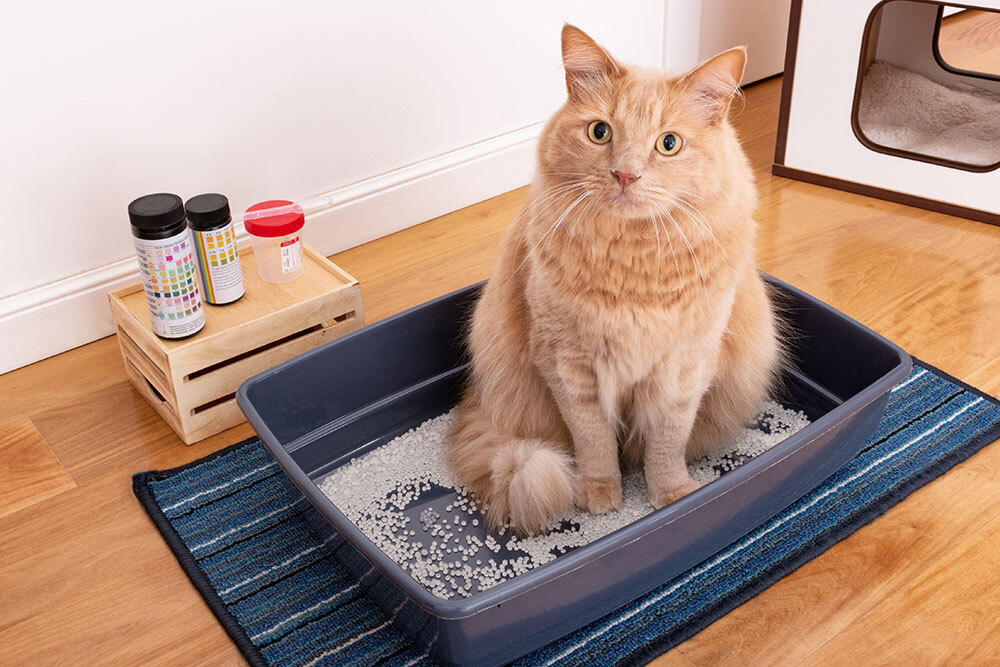
Cats are more likely to hold urine if they dislike their litter box setup, and held urine becomes more concentrated and more prone to crystal formation. The Cat Friendly litter box guide covers the core best practices:
- One box per cat plus one extra (a three-cat household needs four boxes)
- Large, uncovered boxes give cats more room to dig and turn around comfortably
- Unscented clumping litter is preferred by most cats
- Daily scooping with full litter changes weekly
- Quiet, low-traffic locations, away from food and water and from noisy appliances
- Low-entry boxes for senior cats with mobility issues
Routine Wellness Exams
Biannual wellness visits allow us to detect crystals, infection, or kidney changes before they progress to a crisis. Cats with a history of obstruction benefit from periodic urinalysis to catch early signs of recurrence. For families who prefer to keep stress-prone cats out of the clinic environment, our mobile services bring preventive care to your doorstep.
Frequently Asked Questions About Feline Urinary Blockages
My cat has been straining in the litter box but produced a small amount of urine. Is it still an emergency?
Yes. Producing a small amount of urine does not mean the urethra is fully open. Partial obstruction can progress to complete obstruction within hours, and the underlying inflammation needs treatment regardless. Come in the same day.
Are female cats safe from urinary blockages?
Female cats can develop urinary disease and inflammation, but full urethral obstruction is uncommon because their urethra is shorter and wider. They can still develop bladder stones, infection, and idiopathic cystitis, all of which warrant veterinary evaluation but rarely become a same-day emergency.
How long does my cat need to stay in the hospital after a blockage?
Typically 2 to 4 days. The catheter usually stays in for 24 to 48 hours, and we monitor for another day or two after removal to confirm reliable urination, normal bloodwork, and a stable patient. Some cats need longer if complications develop.
What is the risk of my cat blocking again?
Cats who have blocked once have a meaningfully elevated risk of blocking again, with reported recurrence rates of around 20 to 40 percent depending on management. Prescription diet, hydration, stress reduction, and monitoring all reduce risk substantially. Cats with repeated obstructions may be candidates for PU surgery.
Can stress alone cause a urinary blockage?
Stress is one of the strongest triggers for idiopathic cystitis, which is the inflammatory process that leads to mucus plug formation and muscle spasm. So while stress does not directly create a stone, it absolutely contributes to the inflammation and debris that cause many blockages.
Acting Quickly to Protect Your Cat’s Urinary Health
A urinary blockage can be one of the most frightening experiences for a cat family. The good news is that with rapid recognition and prompt treatment, most cats recover well, and consistent prevention dramatically reduces the chance of future episodes. If your cat is showing any signs of straining, unproductive litter box trips, or unusual hiding and discomfort, do not wait.
Request an appointment at Harbor Pines Veterinary Center for urgent evaluation during business hours, and seek a 24-hour emergency facility after hours. For routine prevention, schedule a wellness exam or request a mobile visit to keep your cat’s urinary health on track.